Paper Outlook — 2026 年 8 月 24–30 日

TL;DR
- 深度学习与统计学习方法正推动空间转录组学继续往前走——从三维组织重建,到解析肿瘤内部的细胞排布方式。
- 新的计算框架能够从稀疏、噪声不小的单细胞多组学数据中推断基因调控网络。
- 多项研究借助单细胞与空间组学定位癌症驱动基因与代谢生物标志物,其中结直肠癌反复出现。
- 在单细胞分辨率下区分恶性细胞与周围正常细胞仍然是常见难题,新方法还在陆续冒出来。
SPACEL: deep learning-based characterization of spatial transcriptome architectures
SPACEL 是一个面向空间基因表达数据的深度学习工具包,主要做三件事:推断每个采样点对应的细胞类型、把来自同一样本的多张组织切片对齐,再把这些切片堆叠成组织的三维模型。多数空间实验目前给出的是二维切片,能把三维结构重建出来,对研究健康与疾病状态下的细胞排布有不少帮助。
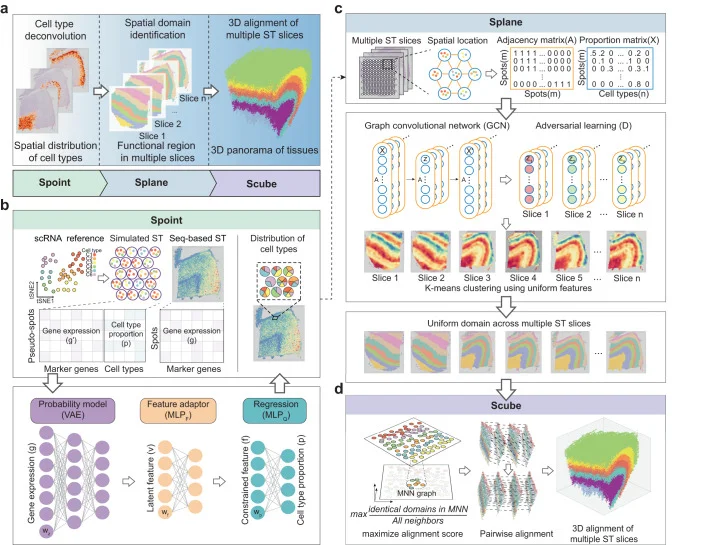
Fig. 1,出自 Hao Xu 等, Nature Communications (2023)。许可协议 CC BY。来源:10.1038/s41467-023-43220-3。
Nature Communications (2023) · 114 citations
Read the original → https://doi.org/10.1038/s41467-023-43220-3
SpaTopic: A statistical learning framework for exploring tumor spatial architecture from spatially resolved transcriptomic data
SpaTopic 把文本挖掘里常用的「主题建模」思路搬到了空间转录组上,用来识别肿瘤组织里反复出现的空间邻域结构。它把空间点聚类与基于单细胞数据的细胞类型解卷积结合起来,输出更易读的生物学空间域。借助这些空间域,研究者能更清楚地勾画肿瘤微环境的整体格局,以及细胞邻域和疾病特征之间的对应关系。
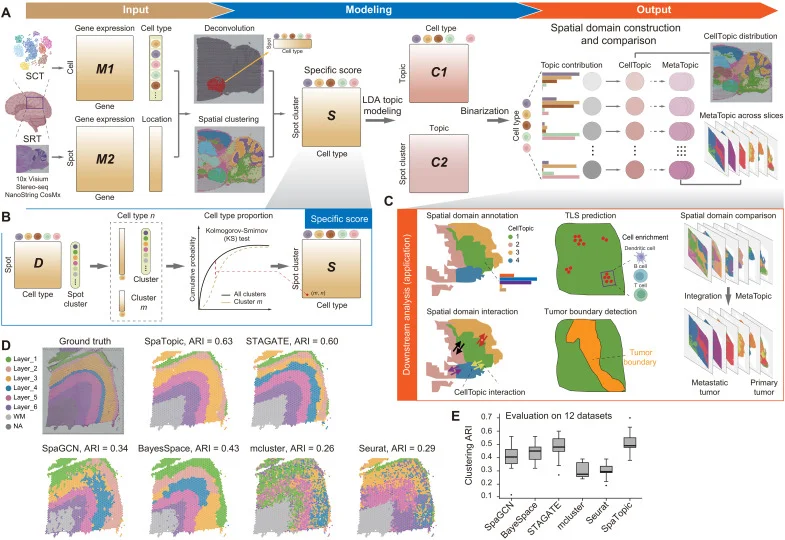
Fig. 1,出自 Yuelei Zhang 等, Science Advances (2024)。许可协议 CC BY-NC。来源:10.1126/sciadv.adp4942。
Science Advances (2024) · 22 citations
Read the original → https://doi.org/10.1126/sciadv.adp4942
Deep learning-based cell-specific gene regulatory networks inferred from single-cell multiome data
scMultiomeGRN 是一种深度学习方法,它把同一批单细胞的两类测量——RNA 表达水平与染色质可及性——合到一起,从而判断哪些转录因子调控哪些靶基因。单细胞数据噪声很大、缺失值也多,这个框架在设计上对这些情况做了较多处理,因此输出的是针对单个细胞类型、相对更可靠的基因调控网络图谱。

Nucleic Acids Research (2025) · 46 citations
Read the original → https://doi.org/10.1093/nar/gkaf138
Single-cell transcriptomics and functional analyses identified SPIN.DOC as a regulator for Wnt signaling and cancer stemness in colorectal cancer.
这项研究挖了结直肠癌患者的单细胞 RNA 测序数据,聚焦 SPIN.DOC——一个在肿瘤细胞里表达水平明显升高的基因。作者把它与 Wnt 信号通路的激活以及癌干细胞特性联系起来,提示它可能是肿瘤生长的驱动因素之一,也为后续的功能实验和潜在治疗靶点提供了一个落脚点。

Human cell (2026)
Read the original → https://doi.org/10.1007/s13577-026-01442-9
HKDC1 as a Prognostic and Tumor Microenvironment‑Associated Biomarker in Colorectal Cancer: An Integrated Multi‑omics and Spatial Transcriptomic Study.
这个工作整合了多个公共数据集与空间图谱,提出近期被关注的葡萄糖代谢相关酶 HKDC1 是结直肠癌里有意义的预后生物标志物。研究人员展示了 HKDC1 在肿瘤里的活跃位置,并揭示其表达水平和周围细胞邻域之间的关系。整件事的提示是:代谢酶不只负责能量加工,也能反映肿瘤的状态。
Digestive diseases and sciences (2026)
Read the original → https://doi.org/10.1007/s10620-026-10182-7
Delineating copy number and clonal substructure in human tumors from single-cell transcriptomes
CopyKAT 能直接从单细胞 RNA 测序数据里估计大尺度的 DNA 拷贝数变异——也就是染色体片段的获得与缺失。好处在于不必专门再做一轮 DNA 测序,就可以把肿瘤样本里的恶性细胞和正常细胞分开,并进一步看清亚克隆结构。这一步现在已经是很多单细胞肿瘤研究里的标准动作。

Nature Biotechnology (2021) · 735 citations
Read the original → https://doi.org/10.1038/s41587-020-00795-2
Quick links
| Paper | Venue / Year | Link |
|---|---|---|
| SPACEL: deep learning-based characterization of spatial transcriptome architectures | Nature Communications (2023) | Read → |
| SpaTopic: A statistical learning framework for exploring tumor spatial architecture from spatially resolved transcriptomic data | Science Advances (2024) | Read → |
| Deep learning-based cell-specific gene regulatory networks inferred from single-cell multiome data | Nucleic Acids Research (2025) | Read → |
| Single-cell transcriptomics and functional analyses identified SPIN.DOC as a regulator for Wnt signaling and cancer stemness in colorectal cancer. | Human cell (2026) | Read → |
| HKDC1 as a Prognostic and Tumor Microenvironment‑Associated Biomarker in Colorectal Cancer: An Integrated Multi‑omics and Spatial Transcriptomic Study. | Digestive diseases and sciences (2026) | Read → |
| Delineating copy number and clonal substructure in human tumors from single-cell transcriptomes | Nature Biotechnology (2021) | Read → |