Paper Outlook — August 24-30, 2026

TL;DR
- Deep learning and statistical learning tools are advancing spatial transcriptomics — from 3D tissue reconstruction to mapping how cells organize within tumors.
- New computational frameworks are inferring gene regulatory networks from single-cell multi-omics data, even when measurements are sparse and noisy.
- Several studies use single-cell and spatial omics to pinpoint cancer-driving genes and metabolic biomarkers, with colorectal cancer as a recurring focus.
- Distinguishing malignant cells from surrounding normal cells at single-cell resolution remains a common challenge, and new methods keep tackling it.
SPACEL: deep learning-based characterization of spatial transcriptome architectures
SPACEL is a deep learning toolkit for analyzing spatial gene expression data. It predicts what cell types sit at each sampled spot, aligns multiple tissue slices from the same sample, and stacks those slices into a 3D model of the tissue. Most spatial experiments currently give you 2D pictures, so being able to rebuild a full 3D tissue architecture opens new ways to study how cells organize themselves in health and disease.
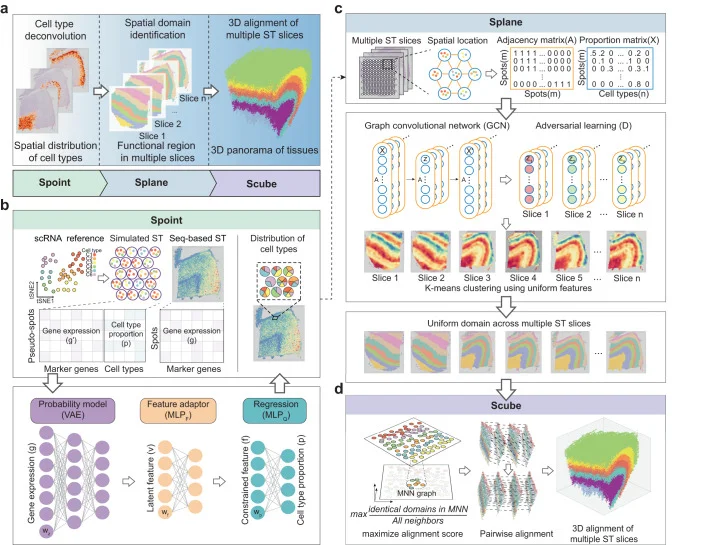
Fig. 1 from Hao Xu et al., Nature Communications (2023). Licensed CC BY. Source: 10.1038/s41467-023-43220-3.
Nature Communications (2023) · 114 citations
Read the original → https://doi.org/10.1038/s41467-023-43220-3
SpaTopic: A statistical learning framework for exploring tumor spatial architecture from spatially resolved transcriptomic data
SpaTopic borrows a 'topic modeling' idea from text mining to find recurring spatial neighborhoods inside tumor tissue. It combines spot clustering with cell-type deconvolution from single-cell data, producing spatial domains that read more clearly in biological terms. The end result is a sharper picture of the tumor microenvironment and how its cellular neighborhoods map onto disease features.
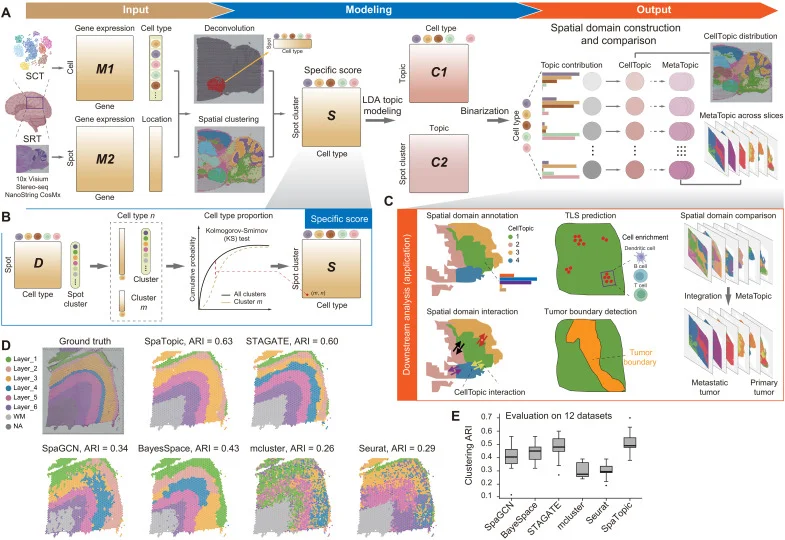
Fig. 1 from Yuelei Zhang et al., Science Advances (2024). Licensed CC BY-NC. Source: 10.1126/sciadv.adp4942.
Science Advances (2024) · 22 citations
Read the original → https://doi.org/10.1126/sciadv.adp4942
Deep learning-based cell-specific gene regulatory networks inferred from single-cell multiome data
scMultiomeGRN is a deep learning method that fuses two single-cell measurements — RNA levels and chromatin accessibility — to work out which transcription factors regulate which target genes. Single-cell data is notoriously noisy, so the framework is built to handle missing values. The payoff is a more trustworthy map of gene regulatory networks in individual cell types.

Nucleic Acids Research (2025) · 46 citations
Read the original → https://doi.org/10.1093/nar/gkaf138
Single-cell transcriptomics and functional analyses identified SPIN.DOC as a regulator for Wnt signaling and cancer stemness in colorectal cancer.
This study mines single-cell RNA sequencing data from colorectal cancer patients to look into SPIN.DOC, a gene that shows up at unusually high levels in tumor cells. The authors connect SPIN.DOC to activation of the Wnt signaling pathway and to cancer stem cell traits, pointing to it as a possible driver of tumor growth. The work gives others a foothold for follow-up functional studies and potential therapeutic targeting.

Human cell (2026)
Read the original → https://doi.org/10.1007/s13577-026-01442-9
HKDC1 as a Prognostic and Tumor Microenvironment‑Associated Biomarker in Colorectal Cancer: An Integrated Multi‑omics and Spatial Transcriptomic Study.
Using multiple public datasets plus spatial maps, this study makes the case that HKDC1, a relatively recently characterized enzyme involved in glucose metabolism, is a meaningful prognostic biomarker in colorectal cancer. The researchers show where HKDC1 is active inside the tumor and how its expression tracks with the surrounding cellular neighborhood. The broader point: metabolic enzymes can do more than process fuel — they also report on tumor state.

Digestive diseases and sciences (2026)
Read the original → https://doi.org/10.1007/s10620-026-10182-7
Delineating copy number and clonal substructure in human tumors from single-cell transcriptomes
CopyKAT estimates large-scale DNA copy number changes — gains and losses of chromosome pieces — straight from single-cell RNA sequencing. That lets researchers separate malignant cells from normal ones in a tumor sample and uncover subclonal structure without dedicated DNA sequencing. It has settled into a standard step in many single-cell tumor studies.

Nature Biotechnology (2021) · 735 citations
Read the original → https://doi.org/10.1038/s41587-020-00795-2
Quick links
| Paper | Venue / Year | Link |
|---|---|---|
| SPACEL: deep learning-based characterization of spatial transcriptome architectures | Nature Communications (2023) | Read → |
| SpaTopic: A statistical learning framework for exploring tumor spatial architecture from spatially resolved transcriptomic data | Science Advances (2024) | Read → |
| Deep learning-based cell-specific gene regulatory networks inferred from single-cell multiome data | Nucleic Acids Research (2025) | Read → |
| Single-cell transcriptomics and functional analyses identified SPIN.DOC as a regulator for Wnt signaling and cancer stemness in colorectal cancer. | Human cell (2026) | Read → |
| HKDC1 as a Prognostic and Tumor Microenvironment‑Associated Biomarker in Colorectal Cancer: An Integrated Multi‑omics and Spatial Transcriptomic Study. | Digestive diseases and sciences (2026) | Read → |
| Delineating copy number and clonal substructure in human tumors from single-cell transcriptomes | Nature Biotechnology (2021) | Read → |